- English
- Español
- Português
- русский
- Français
- 日本語
- Deutsch
- tiếng Việt
- Italiano
- Nederlands
- ภาษาไทย
- Polski
- 한국어
- Svenska
- magyar
- Malay
- বাংলা ভাষার
- Dansk
- Suomi
- हिन्दी
- Pilipino
- Türkçe
- Gaeilge
- العربية
- Indonesia
- Norsk
- تمل
- český
- ελληνικά
- український
- Javanese
- فارسی
- தமிழ்
- తెలుగు
- नेपाली
- Burmese
- български
- ລາວ
- Latine
- Қазақша
- Euskal
- Azərbaycan
- Slovenský jazyk
- Македонски
- Lietuvos
- Eesti Keel
- Română
- Slovenski
- मराठी
- Srpski језик

Which Passenger Vehicles Fit Your Business Needs?
Abstract
Buying Passenger Vehicles for a business isn’t just “pick a model and place an order.” The real headaches show up later: unexpected compliance requirements, delayed shipping paperwork, mismatched specs (left-hand vs. right-hand drive, charging standards, trim differences), poor parts availability, and unclear warranty responsibility. This article breaks down a practical, buyer-first approach to selecting Passenger Vehicles for fleets, distributors, rental operators, or corporate mobility teams. You’ll get a clear decision framework, a comparison table, a procurement checklist, and answers to common questions—so you can choose vehicles that perform well, arrive on time, and stay serviceable for years.
Table of Contents
- Outline
- The Real Pain Points When Buying Passenger Vehicles
- Passenger Vehicles Options That Match Business Scenarios
- A Selection Framework That Prevents Costly Mistakes
- Total Cost of Ownership You Can Actually Control
- Compliance and Documentation Without the Chaos
- After-Sales Support and Parts Strategy
- Procurement Checklist
- FAQ
- Closing Thoughts
Outline
- Why many Passenger Vehicles purchases go wrong after the invoice is paid
- Vehicle types and which use-cases they serve best
- A simple framework to lock specs, reduce risk, and speed up decisions
- How to think about lifetime cost, not just unit price
- What to prepare for registration, import, and local rules
- How to plan service, parts, warranty, and training
- A step-by-step checklist and practical FAQs
The Real Pain Points When Buying Passenger Vehicles
Most buyers don’t lose money because they “chose the wrong color.” They lose money because the purchase wasn’t structured around how the vehicles will be operated, serviced, and legally used. If you’ve ever dealt with delayed deliveries, surprise fees, or a fleet that sits idle waiting for parts, you already know the pattern.
Pain point 1: Specs that look fine on paper but fail in real operations.
A vehicle that’s great for city driving can struggle in high-heat regions, mountainous roads, or high-mileage daily routes. For EV-focused operations, the wrong charging interface or charging power limit can quietly destroy your utilization rate.
Pain point 2: “Hidden” differences across markets.
Left-hand drive vs. right-hand drive, speedometer units, lighting requirements, safety equipment expectations, infotainment language packs, and even tire specs can change the entire readiness of the vehicle for your market.
Pain point 3: Unclear responsibility for warranty and service.
If the warranty process is vague, you’ll end up paying twice—first for repairs, then in downtime. The best Passenger Vehicles programs define what’s covered, how claims are handled, and what parts are stocked locally.
Pain point 4: Documentation delays that stall registration.
Even if the vehicles arrive at port, missing or incorrect paperwork can delay clearance and registration. That’s not a small inconvenience—it’s lost revenue and storage fees.
Pain point 5: Parts availability and training gaps.
A fleet is only as strong as its service loop. Without predictable parts supply and basic technician training, a minor issue becomes a multi-week shutdown.
Passenger Vehicles Options That Match Business Scenarios
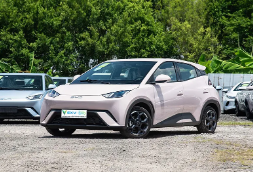
The right choice starts with the job the vehicle must do. Below is a practical way to map common business use-cases to vehicle categories—without getting trapped in marketing buzzwords.
| Vehicle Type | Best For | Typical Capacity | Key Buyer Checks |
|---|---|---|---|
| Sedan | Corporate travel, ride-hailing, city fleets | 4–5 passengers | Fuel/energy efficiency, comfort, easy maintenance, trunk volume |
| SUV / Crossover | Mixed roads, higher ground clearance needs, family-oriented rental | 5–7 passengers | Suspension durability, tire spec, cabin space, safety equipment |
| MPV | Airport transfers, hotel fleets, group mobility | 7–9 passengers | Seat layout, luggage handling, access/step height, HVAC performance |
| Hatchback / Compact | Dense urban fleets, last-mile staff commuting | 4–5 passengers | Turning radius, repair cost, daily operating cost, parking practicality |
| EV Passenger Vehicles | High utilization routes with charging access, sustainability targets | 4–7 passengers | Charging standard, battery warranty, real-world range, thermal management |
If you’re sourcing through an experienced supplier like Xiamen Aecoauto Technology Co., Ltd., a strong starting point is to define your operational profile first (daily distance, passenger load, road conditions, charging access, climate), then select a vehicle class that naturally fits.
A Selection Framework That Prevents Costly Mistakes
Here’s a decision framework you can run in one meeting and keep using as you expand your fleet. It reduces confusion, speeds approvals, and protects you from spec drift.
- Step 1: Define your “must-not-fail” requirements. Examples: minimum daily range, seat count, cargo volume, safety features, and operating temperature range.
- Step 2: Lock market compatibility. Confirm left-hand/right-hand drive, lighting rules, charging interface (for EVs), and local registration constraints.
- Step 3: Decide the service model. Will you service in-house, through partner workshops, or via a supplier support package?
- Step 4: Confirm parts strategy before signing. Identify fast-moving parts and agree on an initial spare parts kit plus restock lead times.
- Step 5: Run a pilot batch. Even a small pilot can reveal real-world consumption, durability, and driver feedback—before you scale.
Tip you’ll thank yourself for later:
Create one “Master Spec Sheet” for your Passenger Vehicles purchase. Freeze it before payment. It should include drivetrain, battery (if EV), charging, tire spec, safety equipment, trim level, and documentation scope. This prevents last-minute substitutions that cause registration or maintenance issues.
Total Cost of Ownership You Can Actually Control
Unit price is loud. Lifetime cost is quiet—but it decides your profit. The goal is to control the factors that create downtime, unexpected repairs, and operational inefficiency.
What to include in your cost view:
- Energy or fuel cost per 100 km: Compare real operating conditions, not ideal lab claims.
- Maintenance schedule: Filter changes, brake wear, tire life, coolant checks, and service intervals.
- Downtime risk: Availability of parts, complexity of repairs, and workshop readiness.
- Warranty clarity: Coverage period, claim workflow, and response time expectations.
- Driver productivity: Comfort, ergonomics, and usability affect driver retention and incident rates.
For EV-focused Passenger Vehicles, also consider charging time and charging availability. A “cheap” EV becomes expensive if charging constraints reduce daily usable mileage or cause scheduling bottlenecks.
Compliance and Documentation Without the Chaos
Compliance isn’t a single checkbox; it’s a chain. Breaking one link can delay your entire project. The smoothest purchases treat paperwork as part of the product, not an afterthought.
Documentation you should plan for early:
- Commercial invoice and packing list: Accurate model/trim naming matters more than you think.
- Vehicle identification details: VIN and matching paperwork consistency.
- Country-specific requirements: Lighting, safety equipment, labeling, and measurement units.
- Battery and shipping documentation for EVs: Transport-related declarations and handling notes.
- Spare parts list and warranty terms: Clear scope and traceable part numbers.
If you’re unsure which rules apply, anchor your process to your import agent and local registration authority early. Then confirm the spec and document set with your supplier—before production, not after shipping.
After-Sales Support and Parts Strategy
Here’s the uncomfortable truth: your customer experience is often determined by the first repair, not the first drive. That’s why service planning should be built into your Passenger Vehicles program from day one.
What good support looks like in practice:
- Parts readiness: An initial spare parts kit designed for your first 6–12 months of operation.
- Clear escalation path: Who answers when a fault code appears on a Monday morning?
- Training materials: Basic troubleshooting guides and maintenance instructions for your technicians.
- Remote diagnostics support: Faster resolution, fewer unnecessary part swaps.
- Repeatable replenishment: Predictable lead times for consumables and fast-moving items.
A supplier like Xiamen Aecoauto Technology Co., Ltd. can be especially helpful when you want to standardize your fleet and streamline parts management across multiple vehicle batches—so you’re not juggling ten different spec variations and spare-part lists.
Procurement Checklist

- Operational profile: daily distance, road type, passenger load, climate, and utilization target
- Market compatibility: left-hand/right-hand drive, local legal requirements, charging interface (if EV)
- Master spec sheet: trim, drivetrain, key options, tire spec, safety equipment, documentation scope
- Service plan: in-house vs. partner workshops, training needs, diagnostic tools
- Parts plan: initial spare kit + replenishment lead times + part number list
- Warranty clarity: coverage items, claim workflow, response timeline, exclusions
- Delivery plan: production timeline, shipping method, port handling, and handover acceptance criteria
- Pilot batch: confirm performance, consumption, and driver feedback before scaling
FAQ
Q: How do I choose between EV and conventional Passenger Vehicles for my fleet?
A: Start with route stability and charging access. If your daily routes are predictable and you can guarantee charging time, EVs can deliver strong operating cost stability. If your routes are unpredictable, charging access is limited, or your vehicles must run long shifts without breaks, conventional options may reduce operational risk. Many buyers also use a mixed fleet: EVs for predictable urban routes, conventional vehicles for long-haul or high-variability tasks.
Q: What’s the biggest mistake buyers make with Passenger Vehicles imports?
A: They finalize payment before locking market compatibility and documentation scope. The vehicle can be perfect mechanically but still fail registration if the paperwork, labeling, or market-specific requirements weren’t confirmed early.
Q: How many spare parts should I order with the first shipment?
A: A practical approach is a starter kit that covers fast-moving consumables (filters, brake components, common sensors, bulbs where applicable) plus a few critical items that could otherwise cause long downtime. The exact kit depends on your service model, driving conditions, and fleet size.
Q: I’m a distributor—how do I keep my lineup simple without losing customers?
A: Standardize your core configurations (two or three trims) and keep options modular. Too many variations create parts chaos and training overload. A focused lineup with reliable availability often sells better than a complex catalog that can’t be supported well.
Q: What should I ask a supplier before I commit to a larger Passenger Vehicles order?
A: Ask for a clear master spec sheet, parts list structure (with part numbers), warranty workflow, documentation list, and a recommended pilot plan. If the supplier can explain these clearly, you’re much less likely to get surprised later.
Closing Thoughts
Choosing Passenger Vehicles for business use is a systems decision: vehicle fit, compliance fit, service fit, and supply-chain fit. When those four line up, your fleet becomes predictable—easy to operate, easy to repair, and easy to scale. If you want a smoother buying experience, focus on freezing specs early, planning documentation like a deliverable, and building a parts-and-service loop that keeps vehicles on the road instead of in the workshop queue.
If you’re evaluating fleet or distribution options and want a structured, low-risk path to sourcing the right Passenger Vehicles, reach out to Xiamen Aecoauto Technology Co., Ltd.—tell us your market, your use-case, and your constraints, and contact us to get a tailored recommendation, a clear spec sheet, and a support plan that actually matches how you’ll operate.