
Explore advanced electric mobility, refined vehicle engineering, intelligent driver assistance, premium cabin design, and the essential considerations behind selecting modern passenger vehicles.
Abstract
audi represents a premium automotive approach that combines refined design, advanced engineering, digital technology, and an expanding range of electrified mobility solutions. Its vehicle families include luxury sedans, versatile SUVs, performance-oriented models, and battery-electric configurations. Although their technical characteristics differ by model, market, and production year, these vehicles share an emphasis on driving refinement, passenger comfort, and modern automotive functionality. This comprehensive guide examines electric propulsion, charging systems, intelligent driving features, interior technology, vehicle safety, model selection, maintenance, and international vehicle sourcing. It also explains how drivers, distributors, and automotive professionals can evaluate specific configurations using accurate technical information and practical operating requirements.
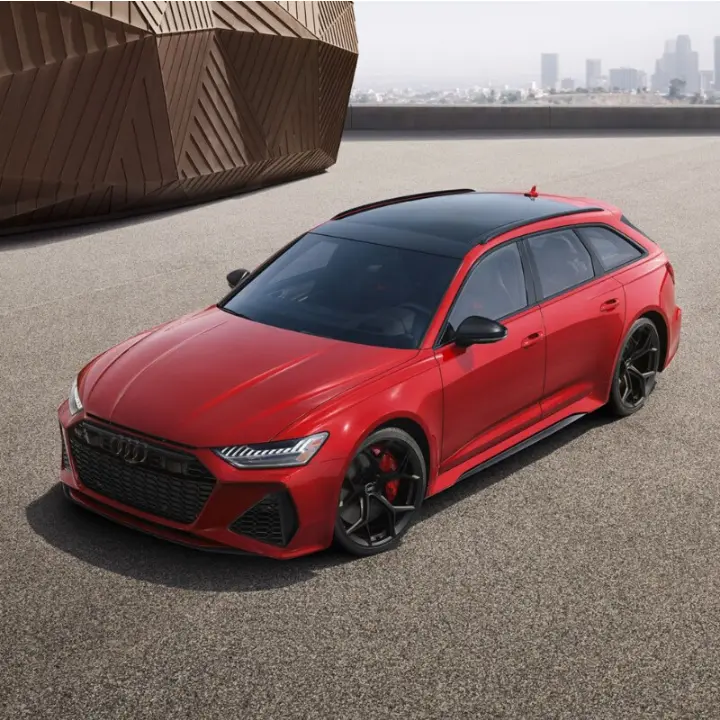
Table of Contents
Select any topic to jump directly to its detailed section. Explore vehicle engineering, electric technology, driving comfort, safety, and international selection considerations.
- Understanding Modern Premium Vehicle Engineering
- Electric, Hybrid, and Combustion Powertrains
- Battery-Electric Vehicle Technology
- Charging Systems and Daily Usability
- Driving Dynamics and All-Wheel Drive
- Interior Comfort and Digital Cockpits
- Driver Assistance and Safety Technologies
- Understanding Major Vehicle Categories
- Range, Efficiency, and Driving Conditions
- Maintenance and Long-Term Vehicle Care
- International Vehicle Specifications and Compliance
- Practical Vehicle Selection Checklist
- Frequently Asked Questions
- Final Automotive Insights
1. Understanding Modern Premium Vehicle Engineering
Premium automotive engineering is about more than exterior styling or powerful engines. It involves the coordination of mechanical design, electronic systems, structural construction, passenger comfort, and predictable driving behavior.
Modern vehicles are complex integrated systems. Suspension geometry influences handling and ride comfort, while electronic control units manage power delivery, braking assistance, climate functions, and digital interfaces.
Why Integrated Vehicle Design Matters
A well-engineered vehicle must respond consistently under different conditions, including acceleration, braking, cornering, and changes in road quality.
The interaction between chassis stiffness, suspension tuning, steering response, tires, and vehicle mass determines much of the driving experience. Refinement comes from balancing these characteristics rather than maximizing one property independently.
Electronics as a Core Design Element
Digital systems increasingly influence how vehicles operate. Sensors, processors, and communication networks coordinate different vehicle functions.
These systems can support sophisticated driver information, customizable operating modes, advanced lighting, and selected assistance features. Their availability and behavior depend on the exact configuration.
2. Electric, Hybrid, and Combustion Powertrains
Contemporary premium vehicle portfolios can include several propulsion technologies. Each offers distinct operating characteristics and requires different supporting systems.
Internal Combustion Technology
Conventional gasoline-powered models use an engine and transmission to transfer mechanical energy to the wheels.
Engine response, transmission calibration, emissions systems, and drivetrain configuration influence performance. Some vehicles incorporate electrified assistance even when the primary propulsion source is a combustion engine.
Mild-Hybrid Systems
Mild-hybrid configurations use electrical components to support selected engine functions. Depending on the architecture, they may assist engine restarting, recuperate energy, or improve certain aspects of power delivery.
A mild-hybrid vehicle generally cannot be assumed capable of extended electric-only driving. Its operating capabilities must be checked individually.
Plug-In Hybrid Technology
Plug-in hybrid vehicles combine a combustion engine with a rechargeable traction battery and electric propulsion hardware.
Suitable configurations can travel electrically for certain distances before relying more heavily on the combustion engine. Actual operation depends on charge level, temperature, driving demand, and vehicle design.
Battery-Electric Propulsion
Battery-electric vehicles use stored electrical energy to power electric motors. They do not require a combustion engine for propulsion.
Their operating characteristics include electronically controlled motor torque, regenerative braking, and charging requirements that differ from those of conventional vehicles.
| Powertrain Type | Primary Energy System | Typical Characteristics | Practical Considerations |
|---|---|---|---|
| Gasoline | Combustion engine and fuel system. | Conventional power delivery with model-dependent transmission and drivetrain technology. | Engine maintenance, emissions requirements, and fuel compatibility. |
| Mild Hybrid | Combustion engine with electrical assistance. | Selected energy recovery and support functions. | Electrical-system design and exact operating capabilities. |
| Plug-In Hybrid | Combustion engine plus externally rechargeable traction battery. | Combination of electric and combustion operation. | Charging compatibility and mode-dependent performance. |
| Battery Electric | Traction battery and electric motor system. | Electric propulsion, regenerative braking, and external charging. | Driving range, battery management, and charging infrastructure. |
3. Battery-Electric Vehicle Technology
The electric transformation of audi highlights the growing importance of battery architecture, electric motors, thermal management, and software-controlled power delivery.
Battery-electric models use integrated powertrain systems designed to convert stored electrical energy into controlled vehicle movement.
High-Voltage Battery Architecture
The traction battery stores energy for propulsion and selected vehicle functions. Battery capacity, cell chemistry, operating temperature, and control strategy affect available energy and performance.
Battery management systems monitor operating parameters and coordinate protective functions. They also contribute to managing charging and cell operating conditions.
Electric Motor Performance
Electric motors can deliver substantial torque over a useful operating range. Electronic controllers regulate power delivery according to driver input and available system capability.
Depending on the model, an electric vehicle may use one or multiple motors. Motor arrangement influences traction control, power distribution, and drivetrain behavior.
Regenerative Braking
Regenerative braking allows the electric drive system to recover some kinetic energy during deceleration and return it to the traction battery.
Recovery capability depends on battery condition, temperature, charge level, vehicle speed, and braking demand.
Conventional friction brakes remain essential for stopping performance, particularly when regenerative capability is limited.
Battery Management
Coordinates battery monitoring, protective functions, and permitted operating conditions for the traction system.
Electric Drive Unit
Converts electrical energy into mechanical propulsion through a controlled motor and drivetrain.
Thermal Management
Helps maintain suitable operating temperatures for battery and propulsion components.
Energy Recuperation
Supports selected energy recovery during vehicle deceleration within system limitations.
4. Charging Systems and Daily Usability
Charging capability is a central consideration when evaluating electric passenger vehicles. Practical usability depends on the vehicle's charging hardware, battery characteristics, connector compatibility, and available infrastructure.
AC Charging
Alternating-current charging uses compatible external charging equipment together with the vehicle's onboard charging system.
Actual charging power depends on the onboard charger, electrical supply, and charging equipment. A high-rated charging station does not automatically make a vehicle charge at that maximum power.
DC Fast Charging
Direct-current charging delivers regulated DC power to the vehicle's traction battery through its approved charging interface.
Charging power is managed dynamically. Battery temperature, state of charge, station capability, and vehicle limitations influence the charging rate.
Why Charging Curves Matter
Maximum advertised charging power represents only part of the charging experience. Many electric vehicles cannot maintain peak charging power throughout an entire charging session.
A charging curve shows how power changes as the battery fills. Evaluating the complete curve provides a more useful understanding of practical charging behavior.
Connector Compatibility
Electric vehicles may be manufactured for different charging standards depending on their destination market.
Connector appearance, charging protocol, electrical ratings, and communication requirements must all be compatible.
5. Driving Dynamics and All-Wheel Drive
A premium driving experience depends on the coordinated behavior of steering, suspension, brakes, tires, and drivetrain.
Vehicle mass distribution, wheelbase, tire characteristics, and electronic control systems influence how a vehicle responds to driver inputs.
All-Wheel-Drive Technology
Selected premium models offer all-wheel-drive systems designed to distribute propulsion forces across multiple wheels.
The exact architecture varies between combustion and electric vehicles. Some systems use mechanical drivetrain components, while electric configurations may employ separately controlled motors.
Traction and Road Conditions
All-wheel drive can support traction in suitable conditions, but it cannot remove the limitations of tire grip or road surface friction.
Safe braking distances still depend on tire condition, surface characteristics, speed, and driver behavior.
Suspension Engineering
Suspension systems manage the interaction between the vehicle body and road.
Depending on the model, electronically controlled dampers or adaptive suspension arrangements may adjust vehicle behavior under different conditions.
Steering Precision
Steering response is influenced by assistance calibration, steering geometry, tire properties, and road conditions.
A predictable steering system helps drivers understand vehicle movement and maintain control during ordinary maneuvers.
6. Interior Comfort and Digital Cockpits
Interior engineering plays an important role in the premium passenger vehicle experience. Comfort depends on seat support, cabin noise, climate control, visibility, and the usability of digital systems.
Ergonomic Seating
Seat design influences comfort during both short trips and extended journeys.
Adjustment range, lumbar support, cushion geometry, and driving position affect how well the cabin accommodates different occupants.
Digital Instrument Displays
Digital driver displays can present vehicle speed, navigation, operating information, and selected assistance-system status.
Display clarity and information organization are essential because drivers must remain attentive to the surrounding road.
Infotainment Connectivity
Modern infotainment systems may integrate navigation, media, communication functions, and compatible smartphone connectivity.
Language availability, map data, online services, and mobile-device compatibility vary by market and model configuration.
Cabin Quietness
Acoustic comfort depends on insulation, vibration control, glass construction, tire noise, and vehicle body engineering.
Electric propulsion can reduce certain engine-related sounds, but road and wind noise remain important considerations.
- Seat adjustability: Evaluate posture, support, and comfort for intended occupants.
- Driver display: Confirm information clarity and practical visibility.
- Climate system: Review heating, cooling, and defogging capabilities.
- Infotainment: Check language, connectivity, and navigation availability.
- Cabin storage: Evaluate everyday accessibility and passenger convenience.
7. Driver Assistance and Safety Technologies
Modern audi vehicles may incorporate advanced driver-assistance functions, electronic stability management, sophisticated lighting systems, and integrated occupant protection.
The availability of individual features depends on the exact model, model year, equipment package, and destination market.
Adaptive Cruise Control
Where fitted, adaptive cruise control can help manage a selected vehicle speed and following distance under supported operating conditions.
It does not remove the need for active driver supervision. System response can be affected by environmental and sensor limitations.
Lane Assistance
Selected lane-assistance functions use camera information to identify road markings and provide warnings or steering support.
Worn markings, poor visibility, road construction, and adverse weather can limit system performance.
Automatic Emergency Braking
Compatible systems may monitor selected obstacles or vehicles and provide warnings or braking assistance when an identified hazard meets the operating criteria.
Such technology cannot prevent every collision. Drivers remain responsible for safe vehicle operation.
Passive Occupant Protection
Structural crash engineering, seat belts, airbags, and occupant restraint systems contribute to passenger protection.
Safety ratings should be checked for the specific tested vehicle and market, rather than transferred automatically between different versions.
8. Understanding Major Vehicle Categories
The premium passenger vehicle segment includes several body styles designed for different driving needs.
Sedans emphasize refined road behavior, SUVs provide different seating and cargo configurations, while performance models focus on selected driving characteristics.
Luxury Sedans
Sedan families such as the A5, A6, and A8 illustrate different approaches to passenger space, comfort, and driving refinement.
Model names and body configurations can vary across production years and markets. Exact dimensions and equipment should be confirmed individually.
Sport Utility Vehicles
SUV families such as the Q3, Q5, Q7, and Q8 address different passenger and cargo requirements.
Seating capacity, drivetrain options, ground clearance, and available technology differ between configurations.
Electric SUV Models
Electric SUVs, including selected Q4 e-tron and Q6 e-tron configurations, demonstrate how battery-electric propulsion can be integrated into practical passenger vehicles.
Battery capacity, charging capability, driving range, and motor arrangement require verification for the specific vehicle version.
Performance-Oriented Models
Sportback, S, and RS-designated configurations illustrate different performance-focused vehicle approaches.
These vehicles may include specialized suspension, braking, drivetrain, and aerodynamic characteristics.
Their operating requirements should be reviewed carefully, particularly regarding tires, maintenance, and road suitability.
| Vehicle Category | Illustrative Model Families | Primary Design Focus | Important Evaluation Factors |
|---|---|---|---|
| Luxury Sedan | A5, A6, and A8 families. | Refinement, passenger comfort, and road performance. | Interior space, drivetrain, suspension, and equipment. |
| Premium SUV | Q3, Q5, Q7, and Q8 families. | Versatility, passenger accommodation, and cargo flexibility. | Dimensions, seating, clearance, and drivetrain compatibility. |
| Electric SUV | Selected Q4 e-tron and Q6 e-tron variants. | Electric propulsion and everyday utility. | Range, charging standards, battery condition, and equipment. |
| Performance Vehicle | Selected S and RS configurations. | Responsive performance and specialized chassis behavior. | Braking system, tires, operating requirements, and suspension. |
| Electric Grand Touring | Selected e-tron GT configurations. | Electric performance with refined long-distance characteristics. | Charging capability, vehicle configuration, and thermal management. |
9. Range, Efficiency, and Driving Conditions
Electric driving range depends on the energy available in the traction battery and the energy required to operate the vehicle.
Vehicle Speed
Aerodynamic resistance increases significantly as speed rises. Higher sustained travel speeds generally increase the energy needed to move a vehicle through the air.
Highway driving can therefore produce different energy consumption from lower-speed urban operation.
Ambient Temperature
Battery performance and cabin heating requirements are influenced by surrounding temperatures.
In cold weather, heating demand and battery operating conditions may affect available range.
High ambient temperatures can also increase cooling requirements.
Driving Style
Strong acceleration, frequent rapid speed changes, and sustained high-speed driving can increase energy consumption.
Smooth driving, appropriate speeds, and suitable tire condition support predictable vehicle operation.
Official Versus Actual Range
Published range figures are usually measured using a defined testing procedure.
Different regional test cycles use different measurement conditions. Figures from different test methods should not be compared as if they were identical.
- Battery condition: Review available capacity and diagnostic information.
- Driving speed: Consider how sustained speed influences energy demand.
- Climate conditions: Account for battery and cabin temperature management.
- Vehicle loading: Evaluate passengers, cargo, and permitted carrying limits.
- Test methodology: Confirm the procedure behind published range information.
10. Maintenance and Long-Term Vehicle Care
Long-term vehicle reliability depends on appropriate inspection, scheduled maintenance, and timely attention to unusual operating symptoms.
General Vehicle Maintenance
Tires, brakes, steering components, suspension systems, lights, and safety equipment require regular inspection regardless of propulsion type.
Maintenance intervals should follow the manufacturer's instructions for the specific vehicle and market.
Electric Vehicle Maintenance
Battery-electric vehicles do not require conventional engine oil changes, but they still contain systems requiring inspection and maintenance.
These may include thermal-management circuits, brakes, reduction gearing, cabin filtration, tires, and low-voltage electrical components.
Battery Health Monitoring
Traction battery condition is an important factor in long-term electric vehicle usability.
Battery health should be assessed using appropriate diagnostic methods and manufacturer-supported procedures rather than drawing conclusions from displayed driving range alone.
Software and Electronic Systems
Modern vehicles rely on software for many operating functions.
Updates, calibration, diagnostic checks, and correct component programming may be necessary when service procedures require them.
11. International Vehicle Specifications and Compliance
International vehicle selection requires attention to more than model appearance and engine or battery specifications.
Vehicles intended for different markets may vary in electrical architecture, lighting, connectivity, charging equipment, documentation, and regulatory compliance.
Regional Vehicle Specifications
Some models are produced with different wheelbases, powertrains, and equipment packages for particular markets.
A familiar model name does not guarantee identical specifications across regions.
Charging Infrastructure Differences
Imported electric vehicles require careful evaluation of charging connector standards, communication protocols, and electrical compatibility.
An unsuitable charging arrangement can create major usability problems. Compatibility should be established before the vehicle is selected.
Software and Connectivity
Navigation, connected services, voice functions, and remote applications may depend on regional service infrastructure.
Certain functions may be limited or unavailable outside the intended market. Availability should be verified for the destination country.
Registration and Homologation
Different jurisdictions establish their own vehicle certification, roadworthiness, emissions, and registration requirements.
Before arranging international movement, confirm that the specific vehicle can legally enter, be registered, and operate in the destination market.
Technical Documentation
Useful documentation may include vehicle identification information, specifications, regulatory certification, service records, and applicable charging information.
Documentation requirements vary by jurisdiction. They should be confirmed using current local rules and the actual vehicle configuration.
12. Practical Vehicle Selection Checklist
Selecting an audi vehicle requires matching its technical configuration to the intended driving environment, passenger requirements, and destination-market conditions.
A structured evaluation reduces the risk of overlooking important differences between similar-looking vehicle versions.
- Identify the intended use: Determine whether the vehicle will be used for urban travel, commuting, family transportation, or longer journeys.
- Select a suitable body style: Consider passenger capacity, cargo requirements, dimensions, and parking conditions.
- Choose the propulsion system: Compare gasoline, hybrid, and electric configurations according to actual operating requirements.
- Verify exact specifications: Confirm model year, drivetrain, vehicle dimensions, and installed equipment.
- Review driving technology: Check available assistance features and their operational limitations.
- Evaluate charging compatibility: For rechargeable vehicles, confirm connector standards, charging capability, and local infrastructure.
- Inspect vehicle condition: Review mechanical, electrical, and body condition using qualified inspection procedures.
- Confirm regional suitability: Verify applicable registration, certification, and technical requirements.
- Review service access: Establish the availability of suitable maintenance, diagnostics, and technical support.
- Check documentation: Confirm that technical and vehicle records match the actual configuration.
Why Exact Model Identification Matters
Different variants within one model family may have different batteries, drivetrains, suspension systems, and electronic features.
Vehicle identification information helps establish the specific configuration, but full equipment confirmation may require additional manufacturer or inspection documentation.
Evaluating Electric Vehicle Readiness
Electric vehicle selection should also consider charging access, expected daily travel distance, seasonal temperatures, and the availability of qualified technical support.
The most appropriate configuration is one that meets the actual operating requirements without relying on unsupported assumptions about performance.
13. Frequently Asked Questions
Select a question to expand its answer and explore common considerations involving vehicle technology, electric mobility, driving performance, and international selection.
What makes premium German vehicles distinctive?
Premium German vehicles are often associated with integrated chassis engineering, refined interiors, advanced electronics, and carefully calibrated driving characteristics. Actual features vary between individual models.
Are all vehicles in this brand's lineup electric?
No. Depending on the market and model year, the lineup can include combustion-powered, hybrid, and battery-electric vehicles. Each configuration should be evaluated separately.
What is the difference between an electric SUV and an electric sedan?
The primary differences involve body geometry, passenger space, cargo access, seating position, and aerodynamic characteristics. Actual efficiency and performance depend on the complete vehicle design.
Does all-wheel drive guarantee better safety?
No. All-wheel drive may improve propulsion traction under suitable conditions, but braking and cornering remain limited by tire grip, road conditions, and vehicle operating behavior.
How does regenerative braking work?
During selected deceleration conditions, the electric drive system converts some vehicle motion into electrical energy that can be returned to the battery. Its effectiveness depends on system limitations.
Why can electric driving range vary?
Range is influenced by driving speed, climate conditions, battery temperature, passenger loading, road gradients, and energy consumption from vehicle systems.
Are all electric vehicles compatible with the same charging stations?
No. Charging connectors, electrical requirements, communication standards, and supported charging power vary between vehicles and regions.
What should be checked when evaluating an imported electric vehicle?
Important considerations include charging compatibility, battery condition, vehicle specifications, software availability, technical documentation, and destination-market registration requirements.
Do electric vehicles require routine maintenance?
Yes. Although they do not require conventional engine oil changes, electric vehicles still need tire, brake, suspension, cooling, electrical, and other appropriate inspections.
Can advanced driver assistance replace attentive driving?
No. Assistance functions have defined operating limitations. Drivers must remain attentive and follow applicable traffic rules and vehicle instructions.
Are vehicle specifications identical in every country?
Not necessarily. Powertrains, dimensions, equipment packages, charging hardware, and digital functions can differ by regional configuration.
What information should be provided for international vehicle inquiries?
Useful information includes the desired model and model year, propulsion type, drivetrain, equipment requirements, destination country, charging standards, and any applicable certification needs.
14. Final Automotive Insights
The development of modern premium vehicles reflects the increasing integration of mechanical engineering, electrified propulsion, digital technology, and passenger-focused design.
Battery-electric technology introduces new considerations involving energy storage, thermal management, charging compatibility, and software coordination.
At the same time, traditional vehicle engineering remains fundamental. Suspension, steering, braking, tires, and structural design continue to influence handling and safety.
Intelligent driver assistance and connected interfaces can improve selected aspects of usability, but their actual capabilities must be understood within defined operating limits.
For international vehicle selection, exact specifications are especially important. Model names alone cannot confirm regional compatibility, electrical standards, charging requirements, or registration suitability.
A technically informed selection process should begin with the intended application and continue through detailed configuration verification, vehicle inspection, and documentation review.
Xiamen Aecoauto Technology Co., Ltd. operates in the automotive sector and provides vehicle sourcing services across multiple passenger vehicle categories through its EXV Vehicles platform.
Its product listings include premium sedans, SUVs, performance-oriented vehicles, and selected electric models with different configurations and technical characteristics.
International customers can communicate specific vehicle requirements, desired equipment, destination-market considerations, and technical questions to support a more precise vehicle evaluation.
Discover Your Ideal Premium Driving Experience
Looking for a sophisticated sedan, a versatile luxury SUV, or an advanced electric vehicle? Share your preferred model, powertrain, equipment configuration, driving requirements, and destination country with our automotive team. Explore suitable vehicle options and receive dedicated guidance on specifications, technology features, and international compatibility.
Contact Us to Explore Your Ideal Vehicle